How Smart Follow-Up Systems Increase Treatment Acceptance Rates
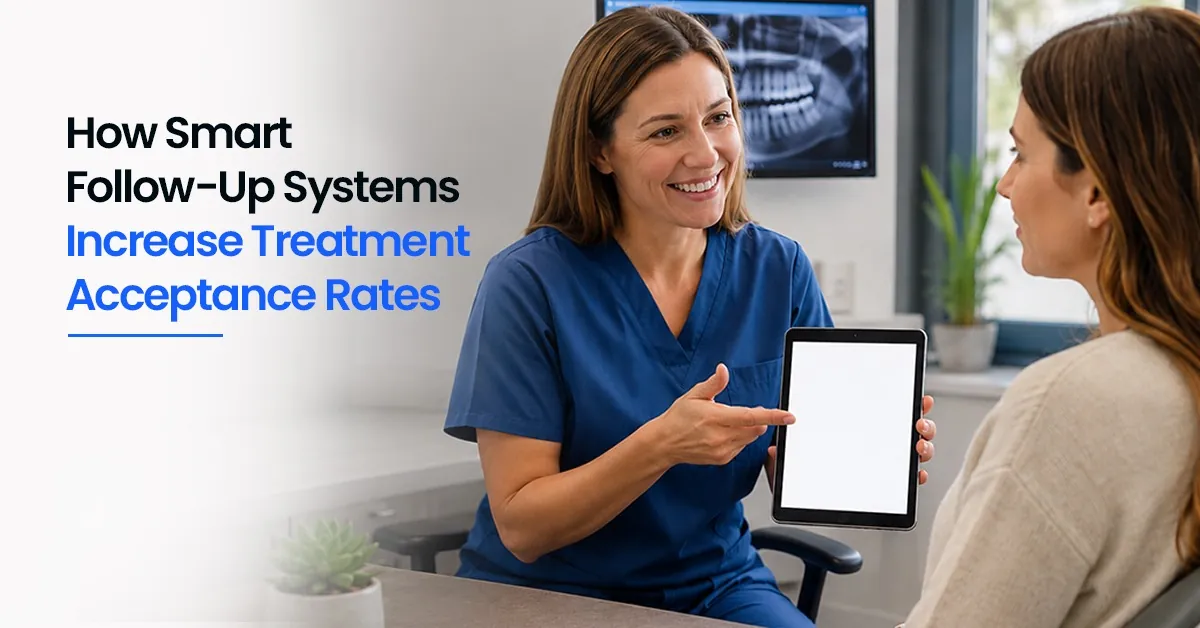

Most dentists have lived this moment. You finish a thorough exam, explain the treatment plan clearly, and the patient nods along, seemingly convinced. Then they walk out, saying they'll "think about it" — and you never hear from them again. The case sits untouched in the system. No reminder, no nudge, nothing. A few weeks later, that same patient shows up at another clinic, or worse, waits until the problem becomes an emergency.
This isn't a communication failure on the dentist's part. It's a follow-up gap, and it's one of the most under-addressed leaks in dental clinic management software workflows across India.
Why Patients Hesitate Even After Saying "Yes" in Spirit
Agreeing that treatment is needed and committing to it are two different decisions. Cost, fear, scheduling conflicts, or simply forgetting can all get in the way between the consultation chair and the front desk. In most clinics, once a patient leaves without booking, there's no structured way to bring them back into the conversation. The case quietly becomes a "lost opportunity", and nobody on the team even tracks it as one.
Why This Keeps Happening
The honest root cause is that follow-up, when done manually, depends entirely on someone remembering to do it. A receptionist juggling calls, walk-ins, and billing simply won't chase down every patient who didn't schedule. It's not negligence — it's bandwidth. Without the right dental software flagging these cases automatically, they fall through without anyone noticing.
What Actually Works
The clinics that consistently convert more treatment plans into completed treatments tend to do a few things differently. They follow up within a day or two while the conversation is still fresh in the patient's mind. They personalise the message instead of sending a generic "Are you still interested?" text. And they make rebooking effortless — a single tap to confirm a slot, not a phone tag situation.
Rapid Follow-Up Checklist
• Flag treatment plans not booked same day
• Follow up within 48 hours when it’s fresh in their mind
• Use the patient’s name and refer to his/her treatment
• Provide a direct rebooking option (not just a reminder)
Where Dentobees Fits In
This is exactly where dental patient management software changes the equation. Instead of relying on staff memory, good dental software in India practices can depend on automatically tracking every unscheduled treatment plan and triggering a follow-up — by SMS or WhatsApp — without anyone having to remember. Dentobees, built specifically for Indian dental clinics, ties this into dental appointment reminder software and patient records, so the clinic always knows who's pending, who's been contacted, and who's ready to rebook. For clinics comparing options, it's worth noting that the best dental software isn't the one with the most features — it's the one that quietly closes gaps like this without adding work for your front desk. It's less about adding another tool and more about closing a gap that's already costing clinics revenue and patients real care.
A Familiar Scenario
Picture a patient told she needs a root canal. She seems convinced but doesn't book before leaving — maybe she wants to check her schedule first. With a smart follow-up system in place, she gets a gentle WhatsApp message two days later, with a simple link to confirm a slot. No call, no awkward back-and-forth. She books in under a minute. Without that nudge, she might never have come back at all.
Common Mistake: Treating follow-up as optional or something only "needed" for big-ticket treatments. Even routine restorative work benefits from a one-time reminder.
Key Takeaways
• Most of the lost treatment acceptance occurs after the patient leaves the chair, not during the consultation
• Manual follow-up relies on the memory of the staff and does not scale well
• Quick, tailored follow-ups within 48 hours beat delayed, generic reminders
• Dental appointment reminder software and patient management tools can automatically do this without adding to the burden on staff
• Major procedures and routine treatments benefit from structured follow-up
Conclusion
Treatment acceptance isn't only about how well a case is presented chairside — it's also about what happens after the patient walks out. Clinics that build a simple, consistent follow-up habit, supported by the right dental management software, tend to see fewer cases disappear into silence. It's a small operational shift, but one that quietly protects both patient care and clinic revenue over time.
For a deeper look at how acceptance rates are tracked and improved across practices, Dental Economics has a solid breakdown worth reading.
FAQs
1. Can it generate GST invoices?
A good dental clinic management system should generate GST-compliant invoices automatically, saving clinics from manual calculations and reducing billing errors during patient checkout.
2. Can it manage multiple branches?
Yes — multi-branch clinics need centralised visibility into follow-ups, billing, and scheduling across locations, which is exactly what a proper dental ERP system is built to handle.
3. How does follow-up software know which patients to contact?
It tracks every treatment plan presented and flags the ones that weren't booked same-day, so the system knows exactly who needs a nudge without staff having to remember manually.
4. Why do patients who agree to treatment still not show up?
Usually it's not disagreement — it's life getting in the way. Cost concerns, forgetting, or scheduling conflicts often stop a patient from booking, which is exactly why timely follow-up matters more than the original pitch.
Navyatha VP is a professional content writer specializing in healthcare, dental software and digital marketing. With a background in Mass Communication and Journalism, she focuses on distilling complex topics into clear, actionable insights that help professionals make informed decisions. When she isn’t crafting digital content, Navyatha explores new social media trends, travels or loses herself in a good book.
Download our Mobile APP



Best Dental Practice Management Software & Advanced Dental ERP Suite
Door No.2328, 3rd Floor, Phase 2, Hilite Business Park, Hilite City, Kozhikode - 673014, Kerala, India
Get the latest updates from DentoBees
Click to
Subscribe